🌈 Emotional Intelligence & Self-mastery
A novice-friendly, Blueprint for Emotional Intelligence and Self-mastery, and Psychological Freedom!
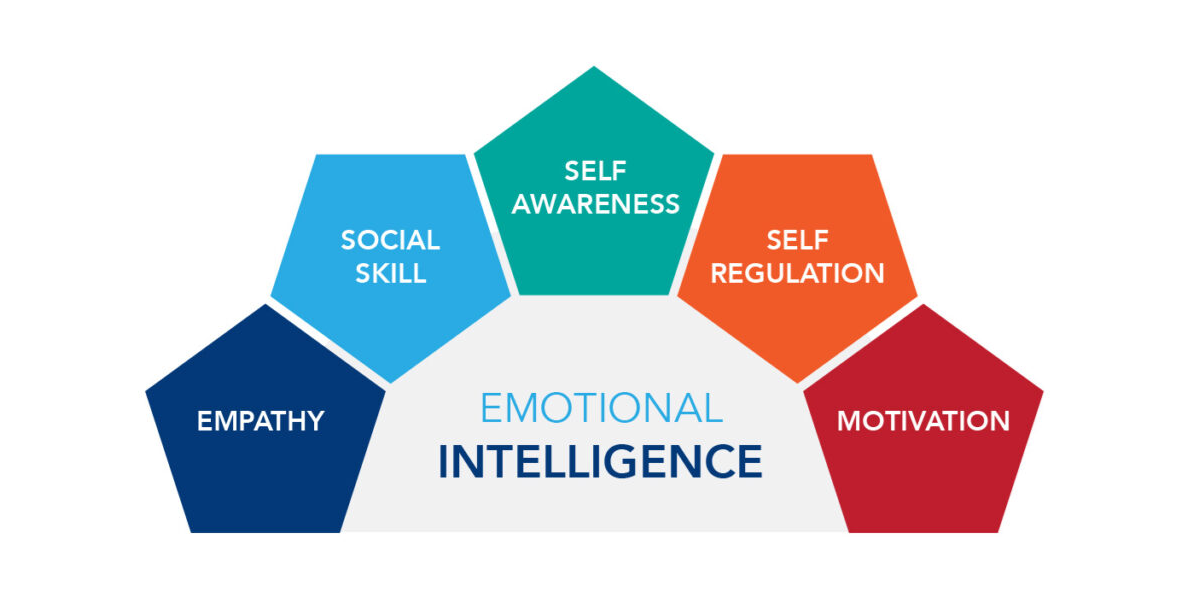
🌈 Emotional Intelligence & Self-mastery
Blueprint for Emotional Intelligence and Self-mastery, and Psychological Freedom! Choose Self without guilt! A Stoic Guide for Recovering People-Pleasers!
TL;DR
Stop breaking yourself to keep others comfortable.
- Every time you people-please, you abandon yourself and teach your mind that your needs don’t matter.
- People-pleasing isn’t kindness, it’s fear (of rejection, conflict, or being alone) dressed up as virtue.
- You can’t build self-worth while practicing self-abandonment — these two cannot coexist.
- Your attention and emotional energy are your most powerful currencies; stop spending them on those who drain you or only value you when you’re useful.
- Boundaries are not selfish; they are doors you control. The right people respect them, the wrong people get filtered out.
- Solitude is not loneliness; it’s where you meet your real self, hear your own thoughts, and realign with your values.
- Detachment from expectations frees you from emotional prisons built on needing others to behave a certain way.
- Self-mastery = taking responsibility for your peace, emotions, healing, and growth — and refusing to be controlled by guilt or approval.
- The real shift: stop chasing approval, start choosing yourself with clarity, discipline, and self-respect.
1. When “Being the Good One” Starts to Hurt
Have you noticed this pattern?
- The more you try to be nice, the more people treat you like you’re invisible.
- You bend so they don’t break.
- You say yes so they don’t get upset.
- You carry the weight so they can walk freely.
And somewhere along the way, you stopped seeing the brutal truth:
Every time you try to please everyone, you abandon yourself.
You call it:
- kindness
- patience
- being a “good person”
But deep down, you know what it really is:
- Fear of offending
- Fear of disappointing
- Fear of being alone
While you keep everyone else comfortable, you slowly suffocate under your own silence.
There is nothing noble about:
- shrinking yourself to make others feel big
- being exhausted, drained, and emotionally bankrupt just to be “easy to love”
You were not put here to be liked. You were put here to become:
- whole
- strong
- self-governed
- someone whose life reflects self-worth, not fear
This is the turning point: from over-pleasing others to living with self-respect and more honest, mutual relationships.
2. The Silent Burden of “Nice” People
There is a silent burden that chronic people-pleasers carry:
- The exhaustion that hits you at night
- The frustration you swallow but never express
The resentment that grows even while you say:
“I’m fine. It’s nothing. I don’t want to cause trouble.”
The truth you’ve avoided:
You’re not tired of people. You’re tired of abandoning yourself for them.
You became “the good one” not because it’s your true nature, but because:
- Life conditioned you to believe that being easy, agreeable, and selfless was the only way to stay safe.
- Somewhere in your past, approval = survival.
Maybe:
- You were praised only when you were quiet, helpful, obedient.
- You learned that conflict leads to punishment.
- You were told your emotions were “too much”, so you trained yourself to be less.
Now, as an adult, you’re still playing the same role:
- You absorb people’s moods.
- You monitor their tone.
- You walk on emotional eggshells.
- You avoid disappointing people who have disappointed you a thousand times.
This doesn’t mean you have to stop being kind; it means your kindness needs to include you too.
3. Self-Worth vs Self-Abandonment (They Can’t Coexist)
You cannot build self-worth while practicing self-abandonment.
Every time you silence your needs to keep the peace, your mind learns:
- “My emotions don’t matter.”
- “My standards don’t matter.”
- “Other people’s comfort is more important than my inner peace.”
The impact:
- Your self-respect erodes.
- Your psychological boundaries weaken.
- You live reactively, not intentionally.
People-pleasing is rarely about love. It’s about fear:
- Fear of rejection
- Fear of disappointing others
- Fear of being alone with yourself
You build a cage:
- polite
- respectful
- well-intentioned
…but still a cage you locked from the inside.
Healthy self-worth means learning to care for others without repeatedly abandoning yourself.
4. The Stoic Lens: Your Life Is Governed by You
Stoic philosophy is clear:
- Your worth is not determined by how others feel about you.
It’s determined by how well you govern yourself:
- How clearly you hold your boundaries
- How fiercely you protect your inner peace
- How uncompromising you are with your standards
There is nothing noble about destroying yourself to be easy for others.
Real nobility comes from:
- Saying no when needed
- Walking away when necessary
- Prioritizing your energy
- Recognizing that people-pleasing is not love, it’s self-neglect
The world doesn’t need another (exhausted, resentful) people-pleaser. It needs the version of you that finally stops leaving yourself and shows up with honesty, courage, and respect—for yourself and others.
5. Self-Betrayal: The Hidden War Inside
The biggest war is not “out there”. It’s inside you:
- You smile when you’re hurting.
- You say “it’s okay” while your boundaries bleed.
- You nod politely while your spirit screams for honesty.
That’s self-betrayal.
We learned early:
- Being liked = safety
- Approval = belonging
- Compliance = survival
So we:
- Make ourselves digestible
- Polish our edges
- Shrink our needs
- Soften our truth
Survival mode becomes a prison when you forget the door is open.
Peace is not earned by pleasing others. It’s earned by not abandoning yourself.
Every time you hide what you feel to keep others comfortable (or someone else doesn’t feel uncomfortable), you reinforce:
- “My feelings are an inconvenience.”
- “My needs are too much.”
- “Who I am must be edited to be loved.”
You become an expert at reading the room… and a stranger at reading yourself.
True social mastery starts when you stop lying to yourself and stop lying to others about what you really feel and need.
6. Approval vs Love: What Are You Actually Chasing?
Most people don’t want you. In other words:
Most of the time, people don’t want all of you. They want the version of you that makes their life easier.
- When you’re available, they love you.
- When you sacrifice, they praise you.
- When you start setting standards, you suddenly become “too much”.
You confuse approval with love:
- Approval says:
“Stay quiet. Stay soft. Give me what I want and I’ll keep you close.”
- Love says:
“I want to see all of you, even the parts that challenge me.”
- Approval requires performance.
- Love requires presence.
You’ve spent years performing:
- Predicting moods
- Anticipating needs
- Carrying emotional burdens that were never yours
If someone only values you when you abandon yourself, they don’t value you at all.
Marcus Aurelius said:
“It’s a sign of self-respect to allow others to think what they choose.”
Translation: Your life cannot revolve around other people’s opinions.
Real love:
- Challenges your boundaries, but doesn’t violate them
- Communicates, doesn’t manipulate
- Remains, doesn’t disappear when you stop pleasing
Ask yourself:
Are they treating you well — or treating you conveniently?
And equally important:
Am I relating honestly — or performing for approval?
7. Attention: Your Most Powerful Currency
There is one resource more powerful than money or status:
Your attention.
Where your attention goes, your life follows.
Your emotional energy:
- fuels every relationship
- feeds every habit
- shapes your destiny
Most people waste their attention on:
- Managing other people’s emotions
- Conversations that drain peace
- People who remember (or notice) your worth only when they need something
Then wonder why they feel empty.
Stoicism teaches:
Control begins with attention.
Whatever you:
- constantly think about
- emotionally react to
- allow into your mental space
…becomes your master.
That’s why manipulators love people-pleasers:
- Not because you’re weak
- But because you can be controlled through guilt, validation, and approval
Not everyone deserves access to your mind. Not everyone earns the right to influence how you feel. Not everyone should be a priority in your inner world.
Every yes you give others is a no you give yourself.
When you redirect your attention inward:
- You stop chasing
- You stop proving
- You stop begging for validation
Your:
- Energy becomes magnetic
- Presence becomes undeniable
Silence becomes a weapon. Focus becomes a shield. Boundaries become a throne.
The day you decide “I am no longer available for anything that costs me my peace,” is the day your real transformation begins.
This also makes your “yes” more powerful and sincere when you do choose to give it.
8. Boundaries: The Architecture of a Respectful Life
One reason people-pleasers break:
Healthy people have boundaries. Exhausted people have none.
You weren’t born without boundaries. You were conditioned out of them:
- Saying no was “disrespectful”
- Your needs were dismissed
- You learned peace comes from compliance, not honesty
So you became:
- The flexible one
- The forgiving one
- The one who absorbs everything and complains about nothing
When you don’t set boundaries, you train people to believe you have none.
Stoicism says:
- Your inner world is a citadel
- No one enters without your permission
But life taught you:
- Let everyone in
- Keep everyone happy
- Never disappoint anyone
That programming ends now.
What boundaries really are:
- Not walls to keep people out
- Doors you control:
- Who gets access
- When they get access
- What part of you they get access to
Boundaries say:
“This I accept. This I do not accept. I don’t need to justify either.”
When you enforce them:
- People who benefited from your lack of boundaries get angry
- People who manipulated your kindness feel offended
- People who relied on your silence call you selfish
Their discomfort doesn’t mean you’re wrong. It means you stopped allowing what never should’ve been allowed.
Boundaries don’t push away the right people. They filter out the wrong ones.
Over time:
- Your time becomes intentional
- Your relationships become balanced
- Your energy becomes protected
- Your mind becomes clear
People who love you will adjust. People who use you will leave. Both outcomes are blessings.
9. Solitude: From Fear to Sanctuary
There comes a point when:
Silence stops feeling like loneliness and starts feeling like clarity.
Most people run from solitude because:
- It forces them to meet the unfiltered version of themselves
- No distractions, no approval, no noise
But that is where transformation begins.
Solitude is not isolation. It is recalibration:
- Cleansing the energy you absorbed from others’ expectations
- Finally hearing your own thoughts
- Realizing how many beliefs were never truly yours
You begin to see:
- How much of your identity was shaped by rooms that never understood you
- How often you tried to earn love from the emotionally unavailable
- How many standards you followed that never aligned with your soul
Solitude reveals this not to break you, but to free you.
In solitude, you learn:
- Self-direction: what to pursue, what to release, what to protect
- Your patterns: who you overgave to, what you tolerated, where you lacked boundaries
- How to reclaim your power
You:
- Rediscover abandoned hobbies
- Reconnect with postponed dreams
- Rebuild drained confidence (i.e., confidence drained by years of seeking validation)
You stop asking:
“Do they approve of me?”
And start asking:
“Does this align with my principles?”
This is Stoic wisdom at its core: Live according to your highest values, not the world’s shifting expectations.
The more comfortable you become with solitude:
- The calmer your presence
- The clearer your boundaries
- The stronger your silence
- The sharper your mind
You become unshakable, not untouchable — capable of deeper, healthier connection because you’re no longer afraid to be on your own.
10. Detachment: Letting Go of Expectations
A quiet inner earthquake happens when you ask:
“Why am I carrying expectations that were never mine to hold?”
Most of your pain comes not from what people did, but from what you expected them to do:
- Loyalty from the disloyal
- Maturity from the emotionally stunted
- Respect from those who don’t respect themselves
- Love from the unavailable
When they fall short, you blame yourself.
Stoicism teaches:
Attachment to outcomes is the birthplace of suffering.
When you expect people to:
- Act a certain way
- Appreciate you
- Choose you
- Understand you
…you hand them power over your emotional state.
Detachment breaks that contract:
- It’s not coldness or shutting down
- It’s radical acceptance of reality
You cannot control who they choose to be. You can control who you become in response.
When you detach:
- You stop waiting for apologies
- You stop trying to fix people who avoid themselves
- You stop replaying conversations, trying to rewrite the past
You reclaim the energy you poured into being “enough” for those who couldn’t see you.
Detachment doesn’t reduce your love, it refines it.
You:
- No longer give it to those who drain you
- No longer abandon yourself just to stay connected
- No longer negotiate your worth in rooms you’ve outgrown
Emotional independence is:
- Stable
- Centered
- Quietly powerful
This is where transformation truly begins — and where healthier, more honest relationships become possible.
11. Self-Mastery: The Return to Yourself
There comes a point where you stop waiting:
- For validation
- For apologies
- For understanding
- For permission
You give those things to yourself.
Self-mastery begins here.
It’s not about becoming hard — it’s about becoming whole.
You accept:
- Your peace is your responsibility
- Your emotional state is your responsibility
- Your healing is your responsibility
- Your growth is your responsibility
When you take that seriously, you change:
- You move differently
- You speak with calm precision
- You observe instead of absorb
- You respond instead of react
You stop:
- Breaking yourself to keep others comfortable
- Dimming your light so others don’t feel threatened
- Negotiating your worth for temporary acceptance
Self-mastery is:
- Emotional intelligence
- Boundaries
- Spiritual discipline
- A high-performance mindset
And once you master yourself:
- You cannot be controlled by guilt, flattery, pressure, abandonment, rejection — not even your own fear.
People who once used your soft heart lose access. Those who fed on your approval starve. Those who dictated your emotions find nothing left to command.
Self-focus is not selfishness. It is sovereignty.
You are:
- Gatekeeper of your energy
- Architect of your boundaries
- Protector of your inner peace
- Author of your destiny
You stop chasing and start attracting. You stop performing and start embodying. You stop pleasing and start leading.
You become the version of you - your younger self desperately needed — and the kind of person who can form healthier, clearer, more mutual bonds.
12. Your New Standard: “I Choose Myself Without Guilt”
In the end, life becomes clearer when you:
- Stop performing for the world
- Start returning home to yourself
You were never meant to live exhausted from pleasing people who don’t understand themselves.
You were meant to live:
- Anchored
- Focused
- Aligned with your purpose
The moment you redirect your attention inward and reclaim your power from opinions, expectations, and noise… your real life begins.
If this resonates, make this your declaration:
I choose myself without guilt.
Say it. Write it. Live it.
Because the moment you truly choose yourself, the world has no choice but to adjust.
And the people who are capable of real love will adjust with you.
🔁 Affirmation
I choose myself without guilt. I protect my peace. I honor my boundaries. I no longer abandon myself to be loved.
I choose relationships that respect my truth, not my silence.
📚 Appendix – References
🏛️ Classical Stoic Sources
1. Meditations — Marcus Aurelius
- Private reflections on self-governance, inner peace, and emotional discipline.
- Reinforces Stoic principles such as:
- Focusing only on what is within your control,
- Remaining indifferent to external praise or criticism,
- Living according to virtue and inner values.
2. Enchiridion (Handbook) — Epictetus
- A concise Stoic guide teaching:
- Freedom comes from governing your judgments, not circumstances.
- Suffering comes from misinterpreting events, not the events themselves.
- Strongly supports emotional independence and detachment from outcomes.
3. Letters from a Stoic — Seneca
- Essays on wise friendship, self-possession, and the strength of principles.
- Emphasizes:
- Emotional regulation,
- Conscious living,
- Grounding oneself in virtue rather than public opinion.
🧠 Psychology & Mental Health
(Boundaries, People-Pleasing, Emotional Independence)
4. Dialectical Behavior Therapy (DBT) — Marsha Linehan
- Interpersonal Effectiveness module teaches balance between:
- Self-respect,
- Relationship harmony,
- Getting needs met effectively.
- Aligns closely with your message on boundaries and self-honor.
5. Acceptance and Commitment Therapy (ACT) — Steven C. Hayes & Colleagues
- Focuses on:
- Clarifying personal values,
- Increasing psychological flexibility,
- Taking action aligned with values rather than fear or approval-seeking.
- Reinforces your sections on purpose, alignment, and conscious living.
6. Trauma-Informed Psychology – “Fawn Response”
- Research describes people-pleasing as a survival response formed in unsafe environments.
- Validates patterns such as:
- Chronic self-abandonment,
- Fear-based compliance,
- Emotional exhaustion.
7. Brené Brown — Daring Greatly, Atlas of the Heart, TED Talks
- Emphasizes:
- Vulnerability with discernment,
- Emotional clarity,
- Healthy boundaries (“Clear is kind”).
- Supports your themes of honesty, courage, and relational integrity.
8. Set Boundaries, Find Peace — Nedra Glover Tawwab
- Practical, research-informed guide to healthy boundaries.
- Confirms that:
- People-pleasing leads to resentment and burnout,
- Boundaries create healthier, more reciprocal relationships.
9. American Psychological Association (APA)
Topics: Assertiveness, Communication, Healthy Relationships
- APA resources show:
- Assertiveness improves mental health and reduces stress,
- Over-accommodation correlates with anxiety, low self-esteem, and emotional suppression,
- Healthy relationships require mutual respect, not self-erasure.