🌈 Complete Family Well-being!
A novice-friendly Guide to Holistic Family Wellness and Well-being, India-centric - Building Thriving Lives Together!
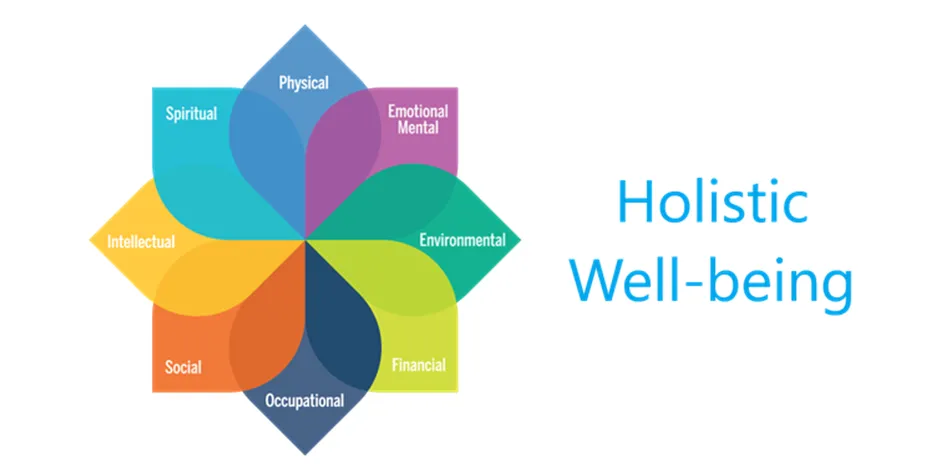
🌈 Complete Family Well-being!
The definitive comprehensive guide for Indian families covering all 8 dimensions of well-being, OCEAN personality insights, relationship wisdom, financial planning, and practical transformation plans. Everything you need to build a thriving family life - rooted in Indian culture, backed by science, proven by families like yours.
🙏 Welcome Home
Dear Family,
Whether you’re a grandparent seeking purpose, a parent juggling everything, a young couple building your life, a young adult finding your path, or a child growing up - this guide is for every single one of you.
Whether joint family or nuclear, ₹20,000 salary or ₹2 lakhs, Hindu or Muslim or Christian or Sikh or secular - this speaks to your reality.
Because thriving isn’t about perfect conditions. It’s about understanding what matters, working together, and taking small daily steps.
What you’ll find here:
- Complete 8-dimension wellness framework
- Practical strategies for each family member
- Financial freedom (50-30-20 rule explained)
- Relationship harmony and communication skills
- OCEAN personality insights
- 90-day transformation plans
- Emergency protocols and resources
- 50+ real-world FAQs
Let’s begin your family’s wellness journey. 🌺
PART 1: The 8 Dimensions Framework
🌟 Understanding Holistic Family Wellness
Imagine your well-being as a wheel with 8 spokes. Break even one - the whole wheel wobbles.
You might earn well (financial ✓) but if your marriage struggles (social ✗), you’re not thriving. You might be fit (physical ✓) but drowning in anxiety (mental ✗) - life still feels hard.
This is why holistic wellness matters.
The 8 Dimensions Explained
1. 💪 Physical Well-being
Your body - health, fitness, nutrition, sleep, energy.
Why it matters: Without physical health, everything else suffers. Medical bills drain finances. Illness prevents working. Poor health affects mood.
Indian context: Managing diabetes/BP, home cooking vs processed foods, affordable healthcare.
2. 🧠 Mental/Emotional Well-being
Your mind - mental health, stress management, emotional regulation, happiness.
Why it matters: Mental health affects EVERYTHING - relationships, work, physical health, decisions.
Indian context: Stigma (“therapy is for crazy people”), “log kya kahenge,” competitive pressure, family expectations.
3. 🕉️ Spiritual Well-being
Your purpose - meaning, values, connection to something greater.
Why it matters: Without meaning, even success feels empty. Purpose sustains through tough times.
Indian context: Rich spiritual traditions (all faiths), daily practices (puja/namaz/prayer), finding faith without rigidity.
4. 📚 Intellectual Well-being
Your mind’s growth - learning, curiosity, creativity, staying engaged.
Why it matters: Stagnation leads to boredom and dissatisfaction. Learning keeps you relevant and fulfilled.
Indian context: Valuing education but often narrowly; lifelong learning beyond degrees; creativity beyond academics.
5. 👥 Social Well-being
Your relationships - family, friends, community, support systems.
Why it matters: Isolation literally kills. Strong relationships = better health, longer life, more happiness.
Indian context: Joint families, in-laws, community importance, “log kya kahenge,” balancing independence and interdependence.
6. 💼 Occupational Well-being
Your work - career satisfaction, work-life balance, meaning in what you do.
Why it matters: You spend huge portion of life working. Dissatisfaction affects everything else.
Indian context: Job pressure, long hours, undervaluing homemakers, competitive market, job security concerns.
7. 💰 Financial Well-being
Your money - living within means, savings, emergency preparedness, security.
Why it matters: Money stress = #1 cause of family conflict. Financial insecurity = chronic anxiety.
Indian context: Supporting multiple generations, dowry, EMIs, festival expenses, medical emergencies, retirement.
8. 🌿 Environmental Well-being
Your surroundings - living space, cleanliness, organization, nature connection.
Why it matters: Environment affects mood, health, productivity. Clutter creates mental clutter.
Indian context: Urban pollution, small spaces (joint families), limited green access, waste management.
📊 Complete Family Wellness Assessment
Instructions:
- Each family member fills individually
- Be honest (for YOU, not for show)
- Rate 1-10 on each question
- Calculate dimension scores
- Discuss as family
💪 PHYSICAL WELL-BEING
Rate yourself 1-10:
- I exercise 30+ minutes, 3-4x/week ___
- I eat balanced, home-cooked meals ___
- I get 7-8 hours quality sleep ___
- I maintain healthy weight ___
- I have regular check-ups ___
- I feel energetic daily ___
- I manage chronic conditions well ___
- I avoid harmful habits ___
- I drink 6-8 glasses water daily ___
- I’m pain-free or manage it well ___
**Physical Score: __/100** (÷10 = __/10)
🧠 MENTAL/EMOTIONAL WELL-BEING
Rate yourself 1-10:
- I manage daily stress well ___
- I feel generally happy ___
- I can express emotions appropriately ___
- I have coping strategies ___
- Worries don’t dominate my thoughts ___
- I feel confident handling challenges ___
- I maintain positive outlook ___
- I can relax without guilt ___
- I’m not constantly overwhelmed ___
- I’d seek help if needed without shame ___
**Mental Score: __/100** (÷10 = __/10)
🕉️ SPIRITUAL WELL-BEING
Rate yourself 1-10:
- I have clear sense of purpose ___
- I practice regularly (prayer/meditation) ___
- I feel connected to something larger ___
- My values guide my decisions ___
- I experience inner peace regularly ___
- I find comfort in faith/spirituality ___
- I practice gratitude ___
- Life has meaning beyond material success ___
- I’m at peace with my beliefs ___
- I contribute to causes larger than myself ___
**Spiritual Score: __/100** (÷10 = __/10)
📚 INTELLECTUAL WELL-BEING
Rate yourself 1-10:
- I’m actively learning new things ___
- I engage in mentally stimulating activities ___
- I’m curious about new ideas ___
- I engage in creative activities ___
- I have engaging conversations ___
- I seek knowledge opportunities ___
- I feel intellectually engaged ___
- I’m open to changing my mind ___
- I learn for its own sake ___
- I’m not mentally stagnant ___
**Intellectual Score: __/100** (÷10 = __/10)
👥 SOCIAL WELL-BEING
Rate yourself 1-10:
- I have meaningful relationships ___
- I communicate openly with close ones ___
- I have people I can count on ___
- I feel connected to family/community ___
- I maintain healthy boundaries ___
- I contribute positively to others ___
- I don’t feel lonely ___
- My relationships are reciprocal ___
- I handle conflicts constructively ___
- I spend quality time with loved ones ___
**Social Score: __/100** (÷10 = __/10)
💼 OCCUPATIONAL WELL-BEING
Rate yourself 1-10:
- I find meaning in my work/activities ___
- I have work-life balance ___
- My skills are being used well ___
- I’m satisfied overall ___
- Work doesn’t cause excessive stress ___
- I have growth opportunities ___
- My efforts are recognized ___
- I don’t dread work ___
- Work aligns with my values ___
- I can disconnect and relax ___
**Occupational Score: __/100** (÷10 = __/10)
💰 FINANCIAL WELL-BEING
Rate yourself 1-10:
- I live within my means ___
- I have and follow a budget ___
- I save regularly ___
- I have emergency fund ___
- I don’t lose sleep over money ___
- I’m progressing toward financial goals ___
- I know where money goes ___
- I’m not drowning in debt ___
- I’m confident making financial decisions ___
- I’m preparing for future needs ___
**Financial Score: __/100** (÷10 = __/10)
🌿 ENVIRONMENTAL WELL-BEING
Rate yourself 1-10:
- My living space is clean and organized ___
- I feel comfortable and peaceful at home ___
- I spend time in nature regularly ___
- My home is clutter-free ___
- I have space to relax ___
- My environment supports well-being ___
- I practice sustainability ___
- I’m not stressed by surroundings ___
- I can control noise and have quiet time ___
- My neighborhood feels safe ___
**Environmental Score: __/100** (÷10 = __/10)
🎯 Interpreting Your Results
Individual Dimension Scores:
9-10: Excellent! Maintain.
7-8: Good! Minor optimization.
5-6: Needs improvement. Moderate priority.
3-4: Concerning. High priority.
1-2: Crisis. Seek help + immediate action.
Overall Wellness Score:
Add all 8 scores = ___/80
72-80: Thriving excellently!
60-71: Good foundation. Focus on lowest 2-3.
48-59: Mixed. Prioritize lowest 3-4.
36-47: Struggling. Focus on 2 dimensions intensely + get support.
Below 36: Crisis mode. Professional help needed + use this guide.
👨👩👧👦 Family Wellness Meeting
30-45 minutes for this crucial conversation:
Ground Rules:
- No judgment
- No fixing (just understanding)
- No comparison
- Respect
- Confidentiality
Discussion:
- Share your overall score
- Which dimension surprised you?
- What’s your lowest? Why?
- What’s your highest? How?
- Where do our low scores overlap? (family priorities!)
- What’s ONE thing each person commits to this month?
- How can we support each other?
Identify 3 family priority dimensions based on discussion.
🚀 Starting Your Wellness Journey
The Golden Rule:
“Start ridiculously small. Be absurdly consistent.”
Most fail because they try changing everything: ❌ Join gym! Meal prep! Meditate 1 hour! Save ₹10,000!
Instead - The 1% Improvement Method:
- Pick #1 priority dimension
- Choose SMALLEST daily action (5-10 min)
- Do it 30 days straight
- Then add next small action
Example: Financial priority
- Month 1: Track expenses daily (5 min app)
- Month 2: Auto-debit ₹1,000 savings + track
- Month 3: Review budget weekly + previous actions
- Month 4: Pack lunch 3x/week + all previous
Result by Month 4: Saving ₹2,500+/month from tiny daily actions!
📋 Your First Week Action Plan
Pick #1 priority: _______
Choose ONE tiny action:
Physical: □ 10-min walk after dinner
□ 10 push-ups + squats morning
□ Drink 8 glasses water
□ Sleep/wake same time
Mental: □ 5-min breathing (4-4-4)
□ Write 3 gratitudes before bed
□ 10-min phone-free time
□ One compliment to family member
Spiritual: □ 5-min prayer/meditation
□ Read 1 page spiritual text
□ Express gratitude for 3 things
□ One act of kindness
Intellectual: □ Read 10 pages
□ Learn one new word/fact
□ Watch 15-min educational video
□ Engaging family conversation
Social: □ 15-min phone-free family time
□ One meaningful question to family
□ Text/call one friend weekly
□ Dinner together (phones away)
Occupational: □ Set 3 priorities each morning
□ 5-min break every hour
□ Leave work at specific time
□ End-of-day reflection (3 accomplishments)
Financial: □ Track every rupee (Walnut app)
□ Save first ₹500-1000 on salary day
□ Pack lunch 2x/week
□ No impulse purchases (24-hour rule)
Environmental: □ Make bed every morning
□ 10-min evening tidy
□ Declutter one item daily
□ 15 min in balcony/park
Commit for 7 days. Mark calendar. Tell someone.
PART 2: Deep Dive - Physical & Mental Well-being
💪 Physical Well-being - Your Foundation
Understanding in Indian Context
Physical wellness is THE foundation. Yet Indian families face:
- Sedentary lifestyles (desk jobs, commutes)
- Processed foods replacing home cooking
- Healthcare costs (#1 cause of debt)
- Chronic conditions (diabetes/heart disease capital)
- Work culture (long hours, poor balance)
- Joint family cooking (hard to eat differently)
Good news: Indian traditional wisdom (yoga, Ayurveda) + modern science = powerful accessible strategies.
For Each Family Member
👴👵 Grandparents/Seniors (60+)
Challenges: Chronic conditions, reduced mobility, medication management, fear of being burden, fixed income, loneliness.
Strategies:
Exercise (30 min daily, doctor-approved):
- Morning walks (20-30 min, with friend for social+physical!)
- Chair yoga (YouTube videos)
- Pranayama (Anulom Vilom, Kapalbhati - 15 min reduces BP)
- Gentle stretching
- Household tasks (gardening, light cleaning)
Nutrition:
- Protein crucial (dal, eggs, paneer, yogurt)
- Calcium (milk, ragi, sesame)
- Fiber (vegetables, whole grains)
- Hydration (6-8 glasses)
- Limit salt
Health Management:
- Regular check-ups (every 3-6 months)
- Pill box organizer
- Ayushman Bharat (free insurance if eligible: pmjay.gov.in)
- Jan Aushadhi medicines (50-90% cheaper!)
Success Story: Ramesh Uncle (68, Pune) - Type 2 diabetes, sedentary. Started 20-min walks with neighbor, chair yoga 3x/week, Jan Aushadhi medicines. 6 months: HbA1c 8.5→6.9, lost 7kg, new friends, reduced medicine dosage! Cost: ₹0 exercise, saved ₹3,000/month medicines!
👨💼👩💼 Parents (35-60)
Challenges: Work+home+aging parents+children = exhausted. Sitting 8-10 hours. Stress eating. Weekend warrior syndrome.
Exercise (30-40 min, 4-5x/week):
No gym needed:
- Morning 15-min routine:
- 50 jumping jacks
- 20 push-ups
- 30 squats
- 1-min plank
- Repeat 3x
- Lunchtime walk (15 min)
- Evening family activity (30 min)
- Staircase workout
- YouTube workouts (Cult.fit, FitTuber Hindi)
Nutrition:
- Sunday meal prep
- Breakfast non-negotiable (even 10 min)
- Pack lunch (saves ₹3,000/month + healthier!)
- Dinner by 8pm
- Healthy snacks ready
Work health:
- Stand every hour (alarm)
- Desk exercises
- 20-20-20 eye rule
- Water at desk
Success Story: Priya Madam (42, Delhi) - IT, sitting 10 hours, gained 15kg, pre-diabetic. Started lunch walks, YouTube workouts 20 min 3x/week, packed lunch. 8 months: Lost 12kg, blood sugar normalized, energy up, inspired team! Investment: ₹0, just reorganized time.
👫 Young Couples (25-35)
Challenges: Adjusting to each other, irregular schedules, eating out, work pressure, pre-conception health if planning family.
Exercise together:
- Morning yoga (20 min)
- Evening walks/runs
- Badminton/sports weekends
- Couples gym
- Dance at home (Bollywood 30 min!)
Nutrition:
- Meal planning together
- Cooking together (bond + share responsibility)
- Batch cooking
- Eating out budget (2-3x/month saves ₹6,000)
- Healthy swaps
Pre-conception health:
- Folic acid (women, 3 months before trying)
- Healthy weight (both)
- Exercise routine
- No smoking/alcohol
- Doctor consultation
Success Story: Rahul & Neha (28&26, Bangalore) - Both tech, eating out 15x/month, gaining weight, no exercise. Sunday meal prep together, morning yoga, eating out 4x/month. 6 months: Lost 8kg combined, saved ₹6,000/month, better energy, improved relationship, Neha’s PCOS improved!
🧑🎓 Young Adults (18-25)
Challenges: Hostel food, irregular sleep, exam stress, limited budget, excessive screen time, body image pressure.
Exercise (budget-friendly):
- YouTube workouts (free)
- College gym (usually free/cheap)
- Sports clubs
- Running/jogging (zero cost)
- Hostel room workouts
Nutrition on budget:
- Hostel food: dal-sabzi-roti > fried
- Fruits in room (bananas, apples)
- Boiled eggs (₹5/egg vs ₹50 Maggi!)
- Roasted chana (₹20/packet)
- Water bottle (avoid sugary drinks)
Managing exam stress:
- Study breaks (25-min study, 5-min move)
- Walk while memorizing
- Breathing before exam (5 min calms nerves)
- Sleep non-negotiable (7 hours even during exams)
Success Story: Aditya (21, Mumbai hostel) - Gained 12kg first year, Maggi 2x/day, sleeping 4am, no exercise. Pre-diabetic scare! Switched to mess food, morning jog 30 min, sleep 11pm, YouTube workouts. 1 year: Lost 15kg, blood sugar normal, better grades, jogging friends, confident! Saved money!
👦👧 Children & Teens (8-17)
Challenges: Academic pressure, screen addiction, junk food, sedentary lifestyle, body image, sleep deprivation.
Physical activity (60 min daily - WHO):
- School sports
- Outdoor play (30 min minimum after school!)
- Cycling/skating
- Dance classes
- Martial arts
- Family activities (badminton, cricket, swimming)
Nutrition:
- Healthy breakfast mandatory
- Tiffin packing (homemade)
- Limit junk (treat 2x/week not daily)
- Fruits available
- Involve in cooking
Screen time limits:
- Under 10: Max 1 hour/day
- Teens: Max 2 hours recreational
- No screens during meals (family rule!)
- No screens 1 hour before bed
- Alternatives: board games, reading, outdoor play
Sleep:
- Age 8-12: 9-10 hours
- Age 13-17: 8-9 hours
- Consistent time (even weekends)
- Homework deadline 9pm (protect sleep!)
Success Story: Aarav (14, Hyderabad) - Overweight, phone constantly, poor grades, bullied. Family walks (everyone!), screen limit 2 hours, taekwondo class, healthy tiffin. 1 year: Lost 10kg, black belt yellow stripe, grades improved, bullying stopped, confidence soared! Investment: ₹3,000/month taekwondo (worth every paisa).
Common Challenges + Solutions
“No time for exercise”
- 5:30am wake up, 30-min workout, done!
- Lunch break 15-20 min walk
- Active commute
- Family time = active time
- Micro-workouts (10 squats every hour)
“Gym too expensive”
- Bodyweight exercises (zero cost!)
- YouTube (thousands free)
- Outdoor activities (parks free!)
- Household items as weights
- Government facilities (outdoor gyms)
“Healthy food expensive” MYTH BUSTED!
- Dal: ₹100-150/kg, protein-rich
- Seasonal vegetables: ₹20-40/kg
- Eggs: ₹5-7 each, best protein
- Bananas: ₹40-60/dozen
- Home roti: Cheaper than bread
Expensive ≠ healthy! Home dal-rice-sabzi = healthiest + cheapest!
“Joint family, can’t eat differently”
- Modify portions (same food, less roti, more sabzi)
- Add on side (salad, extra dal)
- Cook base same, customize individual
- Be the change (family may follow!)
- Medical framing (“Doctor said reduce salt”)
Physical Wellness Action Plan
Daily: □ 30 min activity
□ 8 glasses water
□ 3 healthy meals
□ 7-8 hours sleep
□ Stretch breaks
Weekly: □ 3-4 structured exercise
□ Meal planning
□ Weight check
□ Outdoor family activity
Monthly: □ Review routine
□ Weigh-in
□ Medicine check
□ New healthy recipe
Yearly: □ Health check-up everyone
□ Vaccinations update
□ Dental check
□ Eye test
□ Insurance review
🧠 Mental/Emotional Well-being
Breaking the Stigma
Reality: Mental health is HEALTH.
- 1 in 7 Indians has mental health issues
- Suicide: Leading death cause 15-29 age
- 70-92% receive NO treatment
Why stigma? “Log kya kahenge,” weakness confusion, marriage/career fears, limited access.
Truth: Seeking help = strength. Therapy = maintenance. Everyone benefits.
For Each Family Member
👴👵 Grandparents
Challenges: Depression (often undiagnosed - “old age hai”), loneliness, loss of purpose, grief, anxiety about dependency.
Signs of elderly depression:
- Physical complaints despite normal tests
- Irritability more than sadness
- Loss of interest
- Sleep/appetite changes
- Memory complaints
- “Tired of living”
Strategies:
Social connection (CRUCIAL):
- Senior citizen groups
- Volunteer work
- Teach grandchildren
- Video calls
- Neighborhood friendships
Purpose:
- Hobbies renewed
- Teaching role
- Spiritual deepening
- Writing memoirs
Professional help works for elderly too!
Success Story: Lakshmi Amma (72, Chennai) - Depressed after husband’s death, stopped eating. Started morning walks with senior group, volunteered reading to blind seniors, therapy, taught grandchildren cooking. 6 months: Smiling, appetite back, life has meaning! “I thought life over. It was new chapter beginning.”
👨💼👩💼 Parents
Challenges: Burnout, sandwich generation stress, work pressure, relationship stress, financial anxiety, guilt, sleep deprivation.
Burnout signs:
- Exhaustion rest doesn’t fix
- Cynicism
- Feeling ineffective
- Physical symptoms
- Emotional numbness
- Dreading work/home
Strategies:
Boundaries (non-negotiable!):
- Set work end time (7pm = 7pm. Laptop closes.)
- Communicate limits
- Use leave
- Say no
- Commute transition (10-min decompress)
Stress management:
- Daily decompression (15 min alone)
- Exercise (30 min daily)
- Breathing (5 min morning/evening)
- Hobby weekly
- Social monthly (not just family!)
Relationship:
- Couple time weekly (30 min minimum)
- Date night monthly
- Daily communication (15 min real talk)
- Express appreciation
- Physical affection
Success Story: Amit (42, Mumbai) - Software, 12-hour days, pre-diabetic, marriage struggling, snapping at kids, doctor recommended antidepressants. Changes: Hard boundary (work ends 6:30pm NO exceptions), weekly therapy, morning gym, biweekly date night. 8 months: Promoted (better productivity fewer hours!), marriage healing, diabetes improving, no medication, kids say “Papa fun now!” Investment: ₹4,000/month therapy (worth every paisa).
👫 Young Couples
Challenges: Adjustment, in-law pressure, work-life balance, financial stress, fertility anxiety, conflicts, identity balance.
Strategies:
Communication:
- Daily 15-min check-ins
- Weekly relationship meeting
- I-statements (“I feel X when Y”)
- Conflict resolution time (not when angry)
- Daily appreciation
Boundaries:
- United front (decide together, present together)
- Each manages their family
- Privacy boundaries (bedroom, finances, decisions YOURS)
- Scripts ready
Stress together:
- Exercise together
- Hobby time (individual AND together)
- Social life maintained
- Alone time respected
Success Story: Sneha & Vikram (28&30, Pune) - Arranged marriage, constant fighting first year, in-laws interfering, Sneha depressed (new city, no job, isolated), considering separation. Couples therapy, boundaries with in-laws, Sneha hobby class (friends, confidence), weekly dates. 18 months: Strong marriage, pregnant (happened when stress reduced!), own flat nearby, in-laws respect boundaries. “First year hell. Almost gave up. Therapy saved marriage.”
🧑🎓 Young Adults
Challenges: Academic pressure, career anxiety, identity formation, peer pressure, social media anxiety, parental expectations vs desires, relationship issues, financial stress.
Mental health crisis:
- 26% students have depression
- Suicide: Leading death cause this age
- Exam stress: Peak suicide season
- Stigma: Afraid to tell parents
Warning signs:
- Withdrawing
- Grades dropping
- Sleep/appetite changes
- Substance use
- Hopelessness
- Self-harm
- “I wish I was dead”
Strategies:
Academic stress:
- Pomodoro (25 study, 5 break)
- Realistic goals
- Perspective (one exam doesn’t define life!)
- Sleep non-negotiable
- Exercise 30 min
Career anxiety:
- Exploration okay (don’t need life figured out at 20!)
- Try things (internships)
- Skills over degrees
- Mentor
- Therapy/career counseling
Social media health:
- Limit 30-60 min daily
- Curate feed (unfollow negative)
- Reality check (highlight reel not reality)
- FOMO management
- Regular breaks
Success Story: Kavya (21, Delhi University) - Depressed, failing, self-harming, parents didn’t know (afraid they’d “overreact”). Friend noticed, convinced her to college counselor. Depression+anxiety diagnosed. Therapy (college free!), medication, opened to parents (supportive!), reduced course load, joined dance club. One year: Graduated, depression managed, stopped self-harm, relationship with parents better. “Asking for help saved my life.”
👦👧 Children & Teens
Challenges: Academic pressure, peer relationships, bullying, body image, family conflict, technology addiction, emotional regulation, self-esteem.
Warning signs children:
- Regression (bedwetting after being past it)
- Nightmares
- Clinginess or withdrawal
- Appetite changes
- Physical complaints without cause
- School refusal
- Aggression
Warning signs teens:
- Withdrawal
- Grades dropping
- Sleeping too much/little
- Self-harm
- Substance use
- Risk-taking
- Eating disorders
- Suicidal statements
What Parents Can Do:
Emotional safety:
- All feelings okay
- Listen without fixing
- Validate
- Safe expression
Academic pressure reduction:
- Effort praise (“You worked hard!”)
- Grades ≠ worth (“I love you no matter grade”)
- Realistic expectations
- Balance (play, rest matter!)
Bullying response:
- Believe them
- Don’t blame
- Document
- Inform school
- Build confidence
- Therapy if needed
Success Story: Riya (13, Bangalore) - Anxiety, panic attacks before exams, self-harming (scratching), parents shocked when school called. Severe anxiety diagnosed. Child psychologist, family therapy (parents learned reduce pressure), medication short-term, switched schools. 2 years: Anxiety managed, no self-harm 18 months, average student but HAPPY. Parents: “We were pushing to excel. Almost broke her. Her happiness matters more.”
Common Mental Health Challenges
Challenge 1: Stigma
Myths:
- Therapy is for “weak” → Reality: Therapy strengthens mind like gym strengthens muscles
- “I can handle it myself” → Would you fix broken bone yourself? Mental health IS health.
- “What will people think?” → Your mental health > opinions. Also confidential!
Normalizing: Celebrities discuss therapy (Deepika, Anushka). It’s self-investment.
Challenge 2: “Log kya kahenge” anxiety
Reality checks:
- People talk regardless
- Their opinions don’t pay your bills
- They’ll move on (today’s gossip = tomorrow’s forgotten)
- Their judgment reflects THEM
- Can’t please everyone
Actions:
- Information diet (share less with judgmental relatives)
- Develop thick skin (“Interesting perspective”)
- Build support (friends who validate)
- Perspective shift (in 5 years, will this matter?)
Mantra: “Their comfort should not cost my peace.”
Challenge 3: Parental pressure & expectations
For Parents - Self-reflect:
- Are these YOUR dreams or theirs?
- Living through your children?
- Love them for who they are or what they achieve?
Healthy parenting:
- Support THEIR interests
- “What do YOU want?”
- Love unconditionally
- Success defined broadly (happy, fulfilled, good human)
For Adult Children:
- “I appreciate you want best for me. I need my own path.”
- Set boundaries (lovingly but firmly)
- Gradual independence
- Financial independence (harder to control)
- Therapy
Mantra: “I can respect my parents AND live my own life.”
Mental Wellness Action Plan
Daily: □ 10-min mindfulness/meditation
□ Express gratitude (3 things)
□ Exercise
□ Connect meaningfully
□ Acknowledge emotions
□ Limit social media
□ Adequate sleep
Weekly: □ Therapy (if in therapy)
□ Journaling
□ Social time
□ Hobby time
□ Digital detox
□ Nature time
Monthly: □ Mental health check-in
□ Review coping strategies
□ Social media audit
□ Relationship check-in
□ Plan something to look forward to
Yearly: □ Mental health evaluation
□ Life satisfaction assessment
□ Adjust life as needed
□ Therapy even if feeling fine
Resources
Emergency (24/7, Free):
- Vandrevala: 1860-2662-345
- iCall: 9152987821 (Mon-Sat 8am-10pm)
- NIMHANS: 080-46110007
- Sneha: 044-24640050
Online Therapy: BetterLYF, YourDOST, MindPeers, Practo
Apps: Wysa, InnerHour, Headspace, Calm
Warning: Seek Help Immediately If
- Thoughts of suicide/death
- Self-harm
- Severe mood swings
- Hallucinations
- Severe anxiety/panic
- Depression 2+ weeks
- Substance abuse escalating
- Violent thoughts
- Complete withdrawal
- Can’t care for self
Actions:
- Call crisis helpline (1860-2662-345)
- Don’t leave person alone
- Hospital emergency if danger
- Remove means of harm
- Contact mental health professional
Mental health crisis = medical emergency. Treat with urgency!
PART 3: Financial Well-being - Your Money Mastery
💰 Why Financial Wellness Matters
Brutal honesty: Money stress is killing Indian families.
- 70% family conflicts involve money
- #1 cause anxiety/depression in adults
- Medical debt = leading bankruptcy cause
- 80% Indians have NO retirement savings
Tragedy: Most problems preventable with basic knowledge + discipline.
Good news: Financial wellness achievable at ANY income level. Not about how much you earn - how you manage it.
The 50-30-20 Budget Rule
Simplest, most effective budgeting for Indian families.
50% Essentials (needs - must-haves)
30% Lifestyle (wants - nice-to-haves)
20% Savings (future - must-save)
Detailed Breakdown by Income
₹20,000/month (Low Income)
Adjusted: 60-25-15 (essentials cost more proportionally)
Essentials (₹12,000):
- Rent: ₹4,000-5,000
- Groceries: ₹4,000-4,500
- Utilities: ₹800-1,000
- Transport: ₹1,200-1,500
- School: ₹1,000
- Medicine: ₹500
Lifestyle (₹5,000):
- Mobile/Internet: ₹500
- Treats: ₹500
- Festivals: ₹1,000 (save monthly)
- Eating out: ₹500
- Clothing: ₹1,000/month
- Misc: ₹1,500
Savings (₹3,000):
- Emergency fund: ₹2,000
- Future goals: ₹1,000
Money-saving at this level:
- Government schemes (free ration saves ₹500-800)
- Bulk buying (saves ₹500)
- Generic medicines Jan Aushadhi (saves ₹300-500)
- Cook everything (saves ₹2,000+)
- No paid entertainment (YouTube, library)
Possible savings: ₹3,000-4,000/month = ₹36,000-48,000/year!
₹30,000/month
50-30-20 works!
Essentials (₹15,000):
- Rent: ₹6,000-7,000
- Groceries: ₹5,000
- Utilities: ₹1,000
- Transport: ₹1,500
- School: ₹1,500
Lifestyle (₹9,000):
- Mobile: ₹800
- Entertainment: ₹1,000
- Eating out: ₹1,500
- Clothing: ₹1,500
- Festivals: ₹2,000
- Misc: ₹2,200
Savings (₹6,000):
- Emergency fund: ₹3,000
- PPF/Mutual fund: ₹2,000
- Children’s education: ₹1,000
Annual savings: ₹72,000
₹50,000/month
Essentials (₹25,000):
- Rent/EMI: ₹10,000-12,000
- Groceries: ₹6,000
- Utilities: ₹1,500
- Transport: ₹2,500
- School: ₹3,000
Lifestyle (₹15,000):
- Mobile: ₹1,000
- Entertainment: ₹2,000
- Eating out: ₹3,000
- Shopping: ₹3,000
- Hobbies: ₹2,000
- Festivals: ₹2,000
- Misc: ₹2,000
Savings (₹10,000):
- Emergency fund: ₹4,000
- SIP: ₹3,000
- PPF: ₹2,000
- Children’s education: ₹1,000
Annual savings: ₹1,20,000
10 Money-Saving Strategies
1. Cash Envelope Method
- Withdraw cash for lifestyle categories
- Separate envelopes
- Empty = no more spending
- Forces awareness
2. Festival Jar Savings
- Calculate yearly festival expenses
- Divide by 12
- Save monthly
- Ready when festival comes!
3. Bulk Buying
- Rice, dal, oil monthly
- Buy during sales
- Store properly
Savings: 15-20% (₹800-1,200/month)
4. Home Cooking Revolution
Comparison:
- Office lunch outside: ₹150-200/day = ₹3,000-4,000/month
- Packed lunch: ₹40-50/day = ₹800-1,000/month
Savings: ₹2,200-3,000/month = ₹26,400-36,000/year!
5. Government Schemes
- Jan Dhan: Free account + ₹2L accident insurance
- Ayushman Bharat: Free ₹5L health insurance (check eligibility)
- Garib Kalyan: Free ration (saves ₹500-800)
- Sukanya Samriddhi: High interest for girl child
- PPF: Tax-free returns
- Awas Yojana: Home loan subsidy
Check: myscheme.gov.in
6. Side Hustle (₹3,000-10,000/month extra)
Low skill: Uber/Ola, delivery, tutoring, homemade items
Medium skill: Freelancing (Fiverr), online teaching
High skill: Consulting, app development
7. Expense Tracking
Apps: Walnut, Money Manager, ET Money
Result: Save 10-20% (₹2,000-6,000/month) just from awareness!
8. Generic Brands
- Jan Aushadhi medicines (50-90% cheaper, SAME quality)
- Local brands groceries (often same source!)
- Local tailors (₹500 vs ₹2,000 shirt)
Savings: ₹2,000-5,000/month
9. Joint Family Cost-Sharing
Method:
- Calculate total household expenses
- Divide proportionally by income or equally
- Monthly transfer to household account
10. Auto-Save First
- Salary credited 1st
- Auto-debit 2nd (before you see it!)
- Live on what’s left
Psychology: Can’t spend what you don’t see
Investment Options
Safe & Guaranteed (40-50% savings):
1. PPF
- Return: 7.1% tax-free
- Lock: 15 years
- Investment: ₹500-₹1.5L/year
- Tax benefit: Yes
2. EPF
- Return: 8.15%
- Automatic for salaried
- Retirement corpus
3. FD
- Return: 6-7%
- Lock: Flexible
- Very safe
- Emergency fund
4. Senior Citizen Savings
- Return: 8.2%
- Age: 60+
- Lock: 5 years
5. Sukanya Samriddhi
- Return: 8.2% tax-free
- Girl child under 10
- Lock: Till 21
- Investment: ₹250-₹1.5L/year
Market-Linked (30-40% savings):
6. Mutual Funds SIP
- Return: 10-15% long-term (varies)
- Risk: Moderate-high
- Start: ₹500/month
- Apps: Groww, Zerodha, ET Money
How to start:
- Start small
- Diversify (2-3 funds)
- SIP (discipline!)
- Long-term (5+ years)
7. Equity/Stocks
- High risk
- Learn first
- Small start
- Diversify
Physical Assets (10-20%):
8. Gold
- Sovereign Gold Bonds (best!)
- 2.5% interest + price appreciation
- Tax-free
9. Real Estate
- Long-term
- Rental income
- Illiquid
- Research thoroughly
Financial Planning by Life Stage
Young Couple (25-35)
Priorities:
- Emergency fund (6 months)
- Term life insurance
- Health insurance (₹5L minimum)
- Start SIPs (₹2,000-5,000)
- Avoid debt (except home)
Investments:
- 70% equity
- 20% safe (PPF)
- 10% liquid (FD)
Parents with Children (35-55)
Priorities:
- Children’s education fund
- Retirement planning
- Insurance adequate
- Home loan repayment
- Emergency fund
Investments:
- 50% equity
- 30% safe
- 20% education-specific
Education: ₹5,000/month SIP 18 years = ₹35-45L
Pre-Retirement (55-60)
Priorities:
- Debt-free
- Retirement corpus finalized
- Health insurance adequate
- Shift to safer investments
Investments:
- 30% equity
- 50% safe
- 20% liquid
Retirement (60+)
Priorities:
- Regular income
- Medical fund
- Capital preservation
- Estate planning
Investments:
- 20% equity
- 60% safe income
- 20% ultra-liquid
Government Financial Schemes
- Jan Dhan: Zero-balance account + insurance
- Ayushman Bharat: ₹5L free health insurance
- Garib Kalyan: Free ration
- Atal Pension: ₹1,000-5,000 pension after 60
- Awas Yojana: Home loan subsidy
- Mudra: Business loan up to ₹10L
Check all: myscheme.gov.in or UMANG app
Common Financial Mistakes
1. No Emergency Fund Solution: Build 6 months expenses
Example: ₹30,000/month = ₹1.8L minimum
2. Inadequate Insurance Solution:
- Health: ₹5-10L minimum
- Term life: 10-15x annual income
3. Lifestyle Inflation Problem: Salary up → Expenses up → No savings growth
Solution: Save 50% increment
₹40k → ₹50k: Save ₹5k, spend ₹5k extra
4. Not Teaching Children Money Solution:
- Pocket money (budgeting)
- Savings account (saving)
- Budget discussions (age-appropriate)
- Small mistakes early (learning!)
5. Money Idle Problem: Lakhs in savings 3% while inflation 6% = losing money!
Solution:
- Emergency in liquid FD (6%)
- Medium-term in debt funds/PPF (7-8%)
- Long-term in equity (10-15%)
6. Borrowing for Lifestyle Solution:
- Save first, spend later
- 24-hour rule
- If can’t afford cash, can’t afford credit
Financial Action Plan
This Month: □ Calculate expenses
□ Create 50-30-20 budget
□ Expense tracking app
□ Open accounts
□ Check scheme eligibility
3 Months: □ ₹10,000-20,000 emergency starter
□ Auto-debit savings
□ Optimize expenses
□ Get health insurance
□ Start ₹500 SIP
6 Months: □ Emergency = 2-3 months expenses
□ All debt except home paid
□ Savings habit established
□ Insurance in place
1 Year: □ Emergency = 6 months!
□ Saving 20% consistently
□ Investments started
□ Budget autopilot
□ Financial stress reduced
PART 4: OCEAN Personality - Your Family’s Secret Code
🧬 Why Personality Matters
Example:
Husband frustrated wife “wastes money” eating out.
Wife resents husband is “boring” and “cheap.”
Reality: He’s High C (conscientious, budgets strictly). She’s High E (extroverted, needs social connection).
Without understanding: Endless fights.
With understanding: “His personality needs financial control. Mine needs social connection. Let’s budget ₹3,000/month for my social needs. I’ll stick to it, he’ll relax.”
Result: Conflict resolved!
This is personality’s power.
The OCEAN Model
THE most scientifically validated personality framework.
O - Openness to Experience
C - Conscientiousness
E - Extraversion
A - Agreeableness
N - Neuroticism
Everyone has all five, just at different levels (high/medium/low).
O - OPENNESS
Measures: Creativity, curiosity, new experiences
High Openness:
- Creative, imaginative
- Loves new experiences
- Questions traditions
- Variety > routine
Money: Tries new investments, experiences over possessions, may take risks
Indian context: May clash with traditional expectations
Low Openness:
- Practical, traditional
- Prefers familiar
- “Why fix what isn’t broken?”
- Routine > variety
Money: Conservative (FD, PPF, gold), risk-averse
Indian context: Fits traditional expectations well
In Families:
High O parent + Low O child: Balance exposure without pressure
Low O parent + High O child: Give space within boundaries
C - CONSCIENTIOUSNESS (The Money Trait!)
Measures: Organization, discipline, reliability
High C:
- Super organized
- Detail-oriented
- Plans everything
- Follows through
Money: ⭐ BUDGETING CHAMPION!
- Tracks every rupee
- Excel sheets
- Never misses savings
- Bills paid early
Relationship: Reliable, keeps promises
Low C:
- Spontaneous, flexible
- Goes with flow
- Last-minute
- Messy/disorganized
Money: 💸 WHERE DID SALARY GO?!
- Forgets to save
- No budget
- Late payments
- Impulse spending
Relationship: Fun, spontaneous, forgets anniversaries
Financial Strategies:
High C:
- YOU manage family budget
- Your superpower!
- But allow some flexibility
Low C:
- AUTOMATE EVERYTHING!
- Auto-debit before you see money
- Apps that do it for you
- Hide money (PPF 15-year lock!)
- Ask High C for help
- Keep SIMPLE
Marriage:
- High C + High C = Easy financial harmony
- High C + Low C = High C handles money (can work!)
- Low C + Low C = DANGER! Automatic systems needed!
E - EXTRAVERSION
Measures: Energy source - people or alone time
CRITICAL: Extraversion ≠ shy/confident!
High E (Extroverts):
- Talkative, outgoing
- Energized by people
- Life of party
Money:
- Spends on social life
- “Let’s celebrate!”
- Treating friends
Relationship: Needs social partner or understanding
Low E (Introverts):
- Quiet, reserved
- Energized by alone time
- Few close friends
Money:
- Saves more! (less socializing)
- Happy at home
- Content with few purchases
Relationship: Deep one-on-one, needs alone time
Financial Strategies:
High E:
- Set “social budget” (₹3,000-5,000)
- Track separately
- Suggest free activities
- Host potlucks vs restaurants
- “Let me check budget”
Low E:
- You naturally save more!
- Don’t let pressure to socialize
- Invest social budget elsewhere
- But maintain SOME connection
A - AGREEABLENESS (The Boundary Trait)
Measures: Kindness vs directness
High A:
- Kind, helpful
- Cooperative
- Trusting
- Conflict-avoidant
Money: 💔
- Lends easily (doesn’t get back!)
- Helps everyone (at own expense)
- Can’t say no
- “They need it more”
Relationship: Very caring, adjusts constantly
Low A:
- Direct, blunt
- Competitive
- Skeptical
Money: 💪
- Can say NO
- Protects savings
- “My money, my rules”
- Strong boundaries
Relationship: Honest (sometimes brutally)
CRITICAL for High A:
You CAN Say NO!
Scripts for loan requests:
- “I’d love to help, but finances committed right now”
- “I’m not in position to lend currently”
- “My savings are for emergency fund, can’t risk it”
- “Let me help research other options”
Money Boundaries:
- Only lend what you can afford to LOSE
- If can’t afford to lose it, CAN’T lend it
- Family doesn’t entitle them to your money
- Your savings = your security (NON-NEGOTIABLE!)
- Being kind ≠ being doormat
Your heart is gold. Protect your wallet.
N - NEUROTICISM (Emotional Stability)
Measures: How you experience negative emotions
High N (Lower Stability):
- Worries a lot
- Moody
- Anxious
- Sensitive to stress
Money: 😰
- Over-saves from fear
- Constantly worried
- Checks balance repeatedly
- “What if disaster?”
Relationship: Needs reassurance, fears abandonment
Indian context: “Log kya kahenge” anxiety on steroids
Low N (Higher Stability):
- Calm, stable
- Confident
- Stress-resistant
Money:
- Relaxed about finances
- “It’ll work out”
- Rational decisions
Relationship: Secure, doesn’t overthink
Indian context: “Sab theek ho jayega,” family’s rock
Strategies for High N:
Anxiety Relief:
- Build 6-month emergency fund → MASSIVE peace of mind!
- Automate finances → fewer decisions
- Therapy → not weakness, STRENGTH!
- Meditation daily (10 min)
- Exercise regularly
- Limit news/social media
- Gratitude practice
Money Anxiety:
- Your worry is VALID
- BUT: Build systems
- Emergency fund removes 80% anxiety
- Once built, STOP worrying
- Redirect energy to planning
Applying OCEAN to Your Family
Family Personality Mapping
Step 1: Everyone takes OCEAN test
Free: TruityTest.com, 123test.com, PersonalityAssessor.com
Time: 10-15 min
Answer: HONESTLY
Step 2: Share results (family meeting)
- No judgment!
- Each explains scores
- Discuss surprises
Step 3: Understanding Exercise
Each person: “I’m High/Low in [trait]. I need [X] from family”
Example: “I’m High N, so I need reassurance when anxious, not ‘stop worrying’”
Step 4: Apply to daily life
Financial decisions:
- High C leads budgeting
- Low C follows systems
- High A needs protection from loans (Low A supports)
Social planning:
- High E plans outings (respects Low E limits!)
- Low E communicates alone time needs
Personality + Parenting
High C child:
- Naturally organized, studies well
- DON’T micromanage
- DO encourage relaxation (“mistakes okay”)
- Risk: Perfectionism, burnout
Low C child:
- Disorganized, last-minute
- DON’T just nag!
- DO create systems (checklists, reminders)
- Risk: Academic struggles
High E child:
- Many friends, can’t sit still
- DON’T suppress!
- DO channel (sports, clubs)
Low E child:
- Few friends, quiet
- DON’T force socializing!
- DO respect nature
- “Why so quiet?” is hurtful!
High A child:
- Kind, helpful
- Risk: Bullied, taken advantage of
- TEACH boundaries early!
High N child:
- Worries about exams, anxious
- DON’T dismiss (“Don’t worry!”)
- DO validate (“I understand. Let’s plan together”)
- Support: Reassurance, therapy if needed
PART 5: Relationships & Family Harmony
Understanding Healthy vs Toxic
Green Flags (Healthy):
✅ Equal effort
✅ Mutual respect
✅ Trust
✅ Support
✅ Growth together
✅ Open communication
✅ Financial transparency
✅ Conflict resolution
✅ Independence
✅ Genuine apologies
✅ Physical/emotional safety
Red Flags (Toxic) - LEAVE:
🚩 Controlling
🚩 Financial abuse
🚩 Isolation
🚩 Violence (any form)
🚩 Dowry demands
🚩 Constant criticism
🚩 No boundaries
🚩 Gaslighting
🚩 Threats
🚩 Jealousy/possessiveness
🚩 Blames you
🚩 Walking on eggshells
If multiple red flags: This is abuse. Safety plan needed. Call 181.
Managing In-Laws & Extended Family
Response Scripts
Unsolicited Parenting Advice:
Them: “You shouldn’t feed baby like that!”
You: “Thank you for sharing, Auntyji! Our pediatrician recommended this. We’re trying it first. If we need guidance, we’ll come to you!” (Acknowledge + Redirect + Honor)
Pressure to Quit Job:
Them: “Now married, you should leave job.”
You: “My career is important for financial security and personal fulfillment. [Husband’s name] and I manage home beautifully together. We’re happy with our arrangement.” (United front + boundary)
Privacy Invasion:
Them: Enters bedroom without knocking, checks phone
You: “We appreciate living together. We also need private couple time. We’ll take evening walks alone. Thank you for understanding!” (Positive + boundary)
Dowry Demands (Post-Marriage):
Them: “Your family should give us [car/money].”
You: “Dowry is illegal under Dowry Prohibition Act 1961. We won’t entertain these requests. If continues, we’ll take legal action.” (Clear, firm, legal)
Then: Document, inform family, consult lawyer, report
Comparison:
Them: “Sharma ji’s daughter-in-law cooks 10 dishes daily!”
You: Smile “Every family is unique. We’re doing what works for us. We’re both happy!” (Don’t defend, don’t engage, state contentment)
United Front Rule
CRITICAL: Each partner sets boundaries with THEIR family!
Husband’s family → Husband addresses
Wife’s family → Wife addresses
Never cross-manage!
Privately: Decide together
Publicly: “WE have decided…”
Communication Scripts
Starting Difficult Conversation:
“I need to talk about something important. When’s a good time? I need 20 minutes focused attention.”
Expressing Feeling:
Wrong: “You ALWAYS forget anniversary! You don’t care!”
Right: “I feel hurt when anniversaries aren’t acknowledged. It makes me feel unvalued. Anniversaries are important to me. Can we discuss celebrating them?”
(I-statement, specific, solution-oriented)
Setting Boundary:
“I love you and value our relationship. I’m also feeling overwhelmed. I need [specific boundary]. This isn’t about you, it’s about my capacity. Can we work together?”
(Reassurance + boundary + collaboration)
12 Non-Negotiables When Choosing Partner
For Arranged Marriage:
- Respects your family
- Supports your career/education
- Financial transparency, NO dowry
- Emotionally mature
- Can set boundaries with own family
- Treats you as equal
- Good communicator
- Similar life goals
- Trustworthy and honest
- Controls anger well
- Views marriage as partnership
- Will stand up for you when needed
Even ONE violated? Think very carefully.
Emergency Domestic Violence Protocol
Immediate Danger:
- Get to safe place
- Call 181 or 100
- Nearest women’s police station
- Preserve evidence (photos, messages)
Safety Planning:
- Important documents with trusted person
- Emergency cash hidden
- Emergency bag at friend’s
- Safe contacts memorized
- Know police station location
Legal:
- File FIR
- Protection order (court, free)
- Contact DLSA (free lawyer)
- Section 498A IPC
- DV Act 2005
Shelters:
- Swadhar Greh
- NGO shelters (NCW 7827-170-170)
Remember: Abuse is NEVER your fault. You deserve safety.
PART 6: Complete Action Plans & Resources
🎯 90-Day Family Transformation
Month 1: Foundation (Weeks 1-4)
Week 1: Assessment □ Everyone completes 8-dimension assessment
□ Family meeting share results
□ Identify top 3 priorities
□ Set 90-day goals
Week 2: Financial Foundation □ Track ALL expenses
□ Calculate income vs expenses
□ Create 50-30-20 budget draft
□ Check scheme eligibility
Week 3: Health Baseline □ Schedule check-ups
□ Start daily 20-min walk
□ Begin water tracking
□ Set consistent bedtime
Week 4: Relationship & Mental □ Daily family gratitude (3 things)
□ Screen-free dinner
□ 15-min couple time weekly
□ Research therapy if needed
Month 2: Implementation (Weeks 5-8)
Week 5-6: Priority #1
If Financial: □ Implement budget
□ Auto-debit savings
□ Expense tracking app
□ Cut one subscription
□ Start ₹500 SIP
If Physical: □ Morning yoga 15 min
□ Pack lunch 3x/week
□ Eliminate one junk food
□ Sunday meal prep
If Mental: □ Daily 10-min meditation
□ Started therapy if needed
□ Limit social media 30 min
□ Weekly digital detox
Week 7-8: Priority #2 (Continue Week 5-6 + add new focus)
Month 3: Integration (Weeks 9-12)
Week 9-10: Priority #3 (Continue previous + add third)
Week 11: Integration □ Review all habits
□ Adjust what’s not working
□ Celebrate wins!
□ Retake assessment
Week 12: Planning □ Compare scores
□ Identify next priorities
□ Family meeting: What worked?
□ Plan next quarter
📋 Daily/Weekly/Monthly/Yearly
Daily (20 min)
Morning (10 min): □ Wake same time
□ 2 glasses water
□ 5-min family yoga
□ Healthy breakfast
Evening (10 min): □ 20-min walk
□ Screen-free dinner
□ Share high and low
□ Gratitude (3 things)
□ Consistent bedtime
Weekly (2-3 hours)
Sunday: □ Wellness meeting (30 min)
□ Meal prep (1 hour)
□ Outdoor activity (1 hour)
Wednesday: □ Financial check (15 min)
□ Relationship check (15 min)
Friday: □ Social connection (30 min)
Saturday: □ Fun day!
Monthly (1-2 hours)
First Sunday: □ 8-dimension quick check
□ Budget review
□ Relationship health
□ Physical check (weight)
□ Plan month ahead
□ Try new recipe
□ Declutter one area
Yearly (Half day)
Every January:
Assessment: □ Full 8-dimension (everyone)
□ Compare to previous year
□ Celebrate improvements
□ Identify challenges
Health: □ Health check-up everyone
□ Dental
□ Eye test
□ Update vaccinations
□ Review insurance
Financial: □ Net worth calculation
□ Review/adjust budget
□ Emergency fund adequate?
□ Review investments
□ Update nominees
□ Tax planning
Relationships: □ Family bonding better/worse?
□ Relationships needing repair?
□ Marriage check-in (rate 1-10)
Goals: □ Review previous year’s goals
□ Set new year’s goals
□ Individual goals
📚 Comprehensive Resources
Mental Health
Emergency (24/7, Free):
- Vandrevala: 1860-2662-345
- iCall: 9152987821 (Mon-Sat 8am-10pm)
- NIMHANS: 080-46110007
- Sneha: 044-24640050
Therapy: BetterLYF, YourDOST, MindPeers, Practo
Apps: Wysa, InnerHour, Headspace, Calm
Physical Health
Government:
- Ayushman Bharat: 14555
- Jan Aushadhi: janaushadhi.gov.in
Apps: HealthifyMe, Cult.fit, Practo, 1mg
Emergency:
- Ambulance: 108/102
- Medical: 112
- Poison: 1800-118-111
Legal Aid & Safety
Helplines:
- Women: 181 (24/7)
- Domestic Violence: 1091
- Child: 1098
- Senior Citizen: 1800-180-1253
- NCW: 7827-170-170
Legal:
- DLSA (every district, free)
- NALSA: nalsa.gov.in
- Women’s Commission (state level)
Financial
Government:
- MyScheme.gov.in
- UMANG app
Apps:
- Walnut, Money Manager (expense)
- Groww, Zerodha, ET Money (invest)
- CRED (bills)
❓ Top 20 FAQs
Q: Do we need to work on ALL 8 dimensions? A: No! Start with lowest 2-3. Small improvements in multiple areas > perfection in one.
Q: We tried before and failed. Why will this work? A: Too ambitious before. This: tiny habits (10 min), family accountability, personality-based. Start ONE habit.
Q: ₹20,000 income. Can we save? A: YES! Government schemes + home cooking + generics + bulk buying. Even ₹1,000/month = ₹12,000/year!
Q: Spouse keeps lending money to relatives. A: Create “Lending Budget” (₹2-3k/month). Exhausted? “Budget done, revisit next month.” Main savings need both signatures.
Q: Toxic relationship or rough patch? A: Rough: Both want to fix, temporary stress, respect remains. Toxic: One-sided, chronic disrespect, fear. Walking on eggshells = toxic.
Q: “Log kya kahenge” anxiety. A: People talk regardless. Their opinions don’t pay bills. In 5 years, they’ll gossip about someone else. Your mental health > approval.
Q: Can personality change? A: Core stays (50% genetic). Behaviors can shift 10-20%. Don’t change personality, work WITH it!
Q: Low C child affects studies. A: Don’t change personality. Build systems: checklists, alarms, organized space, short sessions. External structure compensates!
Q: Is therapy only for “crazy people”? A: NO! Therapy = gym for mind. For tough times, growth, stress management. Stigma is outdated.
Q: Can’t afford therapy. A: Free: college, workplace EAP, government clinics, helplines. Affordable: sliding scale, online (₹500-1000), apps (Wysa free).
Q: In-laws interfere constantly. A: Acknowledge + Redirect: “Thank you for concern, Auntyji. We’ve decided to try [X]. If we need guidance, we’ll come to you!”
Q: How do I set boundaries without being “disrespectful”? A: United front (each manages their family). Respectful tone, firm content. “We appreciate you. We also need [boundary]. Thank you for understanding.”
Q: Healthy food is boring. A: Indian cuisine is flavorful! Use spices, herbs, garlic, ginger, lemon, small amount ghee. Method matters (grilled/roasted > fried).
Q: Joint family, can’t eat differently. A: Modify portions (same food, less roti, more sabzi). Add on side (salad, dal). Frame medically if needed.
Q: Parents refuse to exercise. A: Doctor prescribes (authority!). “Papa, I need company for walk.” Show peer examples. Make it easy (video ready). Lead by example.
Q: Meditation recommended but I can’t sit still. A: Many forms! Walking meditation, yoga, mindful eating/showering, coloring. Even 1 minute breathing. Find YOUR way.
Q: Screen time ruining family health. A: Family policy (everyone follows!): Screen-free zones (dining, bedrooms), times (meals, 1 hour before bed). Phone parking basket. Provide alternatives!
Q: How to save for festivals? A: Festival jar! Calculate yearly expenses, divide by 12, save monthly. Ready when festival comes!
Q: Best investment for beginners? A: Start: Emergency fund (FD), PPF (safe), ₹500 SIP (Groww). Learn gradually. Diversify.
Q: High A - how to say no to loan requests? A: “I’d love to help, but finances committed.” “Not in position to lend currently.” “Let me help research other options.” Only lend what you can LOSE!
CLOSING: Your Family’s New Beginning
💫 Key Takeaways
The Non-Negotiables:
- Holistic Approach - All 8 dimensions interconnected
- Small Daily Actions - 10 min daily > 2-hour monthly
- Family Unity - Succeed or struggle together
- Cultural Context - Honor tradition + embrace change
- Personality Awareness - Understanding reduces 80% conflicts
- Financial Foundation - Money stress kills wellness
- Relationships First - Wealth without relationships = poverty
- Mental Health Matters - Real, valid, treatable
- Seek Help Early - Professional support = strength
- Progress Not Perfection - 70% consistency = success
🌺 Your Family Wellness Commitment
We, the __________ family, commit to:
Physical: □ 30 min daily activity
□ Home-cooked meals 5-6 days
□ 7-8 hours sleep
□ Annual check-ups
Mental: □ Daily stress management
□ Safe emotional expression
□ Professional help when needed
□ No stigma
Spiritual: □ Daily gratitude
□ Regular spiritual practice
□ Living values
□ Finding meaning
Intellectual: □ Continuous learning
□ Curiosity encouraged
□ Creative expression
□ Engaging conversations
Social: □ Quality family time daily
□ Maintaining relationships
□ Community engagement
□ Support systems
Occupational: □ Purpose in work
□ Work-life balance
□ Career growth support
□ Respecting all contributions
Financial: □ 50-30-20 budget
□ Emergency fund building
□ Save before spending
□ Financial literacy
Environmental: □ Clean organized home
□ Nature time weekly
□ Sustainable practices
□ Clutter management
Communication: □ Weekly wellness meetings
□ Open honest conversations
□ Boundaries respected
□ Conflicts resolved with kindness
Support: □ Celebrate wins
□ Support during struggles
□ No judgment, only love
□ Seek help together
Signed: _____
**Date:** _________
🙏 Final Blessing
Dear Beautiful Family,
You’ve reached the end of this guide, but the beginning of your wellness journey.
Remember:
🌺 Perfection isn’t the goal - Progress is
🌺 You’re not alone - Millions face these challenges
🌺 Never too late - 15 or 75, start today
🌺 Small actions compound - 10 min daily = 60+ hours yearly
🌺 Your family is unique - Customize to YOUR needs
🌺 Challenges will come - Face them together
🌺 Love is foundation - All strategies mean nothing without it
🌺 You deserve thriving - Not just surviving, THRIVING
May your home be filled with:
💚 Laughter echoing
💚 Love deepening
💚 Understanding bridging
💚 Prosperity from wisdom
💚 Health sustaining
💚 Peace settling
💚 Purpose guiding
💚 Gratitude coloring
💚 Resilience carrying
💚 Joy making life worth living
🚀 Start Today. Start Small. Start Together.
Pick ONE thing. Just ONE.
Maybe:
- 10-min family yoga tomorrow
- Auto-debit savings today
- OCEAN test this evening
- Honest conversation tonight
- Call parents “I love you”
- Cook healthy meal this week
- Start festival jar ₹500
Just. Start.
Your future family is counting on present you.
Make them proud. 💪
Namaste. Khuda Hafiz. Sat Sri Akal. Amen.
May peace, prosperity, and wellness be with you always. 🙏
Your wellness journey begins now. 🌺✨
Published: January 26, 2026
Version: 1.0
Reading Time: 90 minutes
Love Infused: Infinite 💕
END OF GUIDE